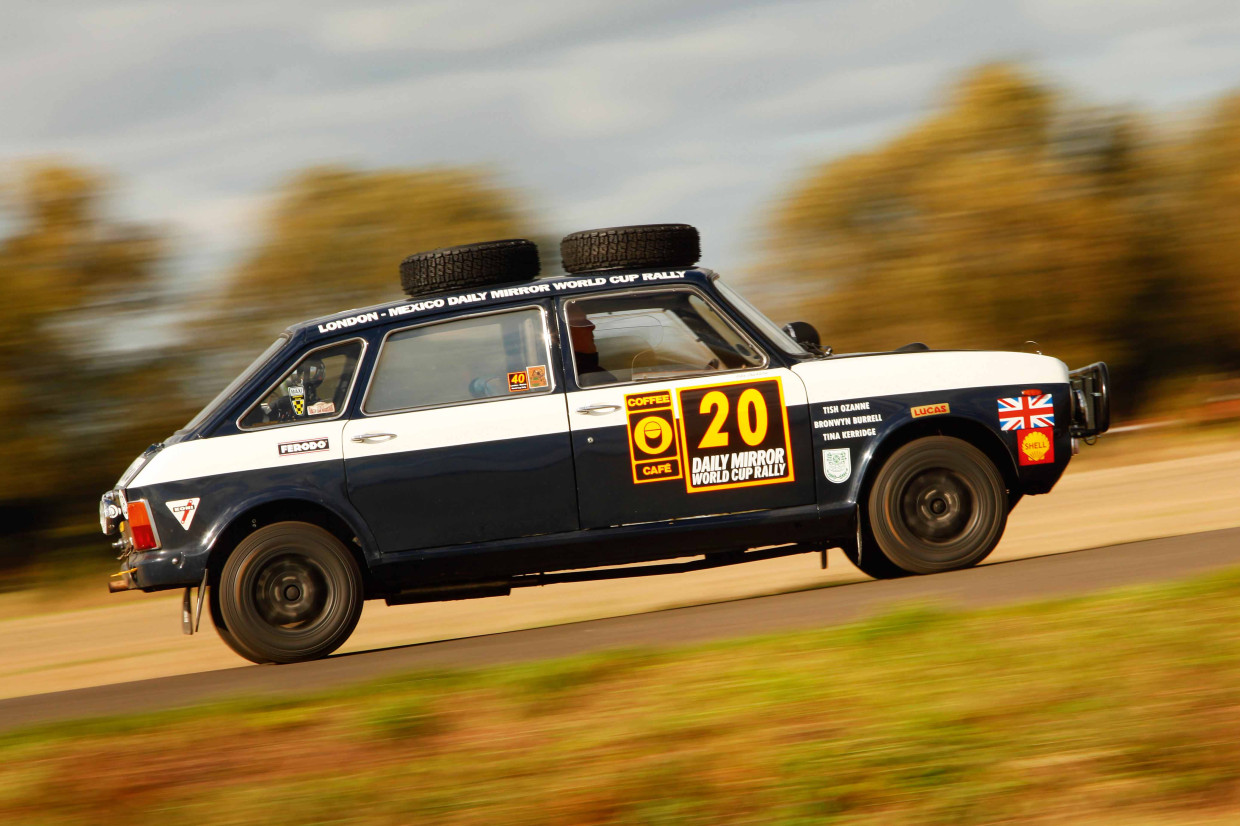
The World Cup Rally, which ran from the Wembley venue of the 1966 football final to the Aztec Stadium in Mexico City for the 1970 tournament, is still the world’s longest enduro.
Wylton Dickson had the initial idea, with the Daily Mirror sponsoring a landmark event that would feature factory teams – Ford, British Leyland Motor Corporation (BLMC), Citroën and Moskvitch – plus a host of privateers slugging it out over an epic 16,000-mile route.
The rally was won by Hannu Mikkola in a works Escort, further boosting the small Ford’s competition CV and siring the ever-so-slightly-spicy Escort Mexico.
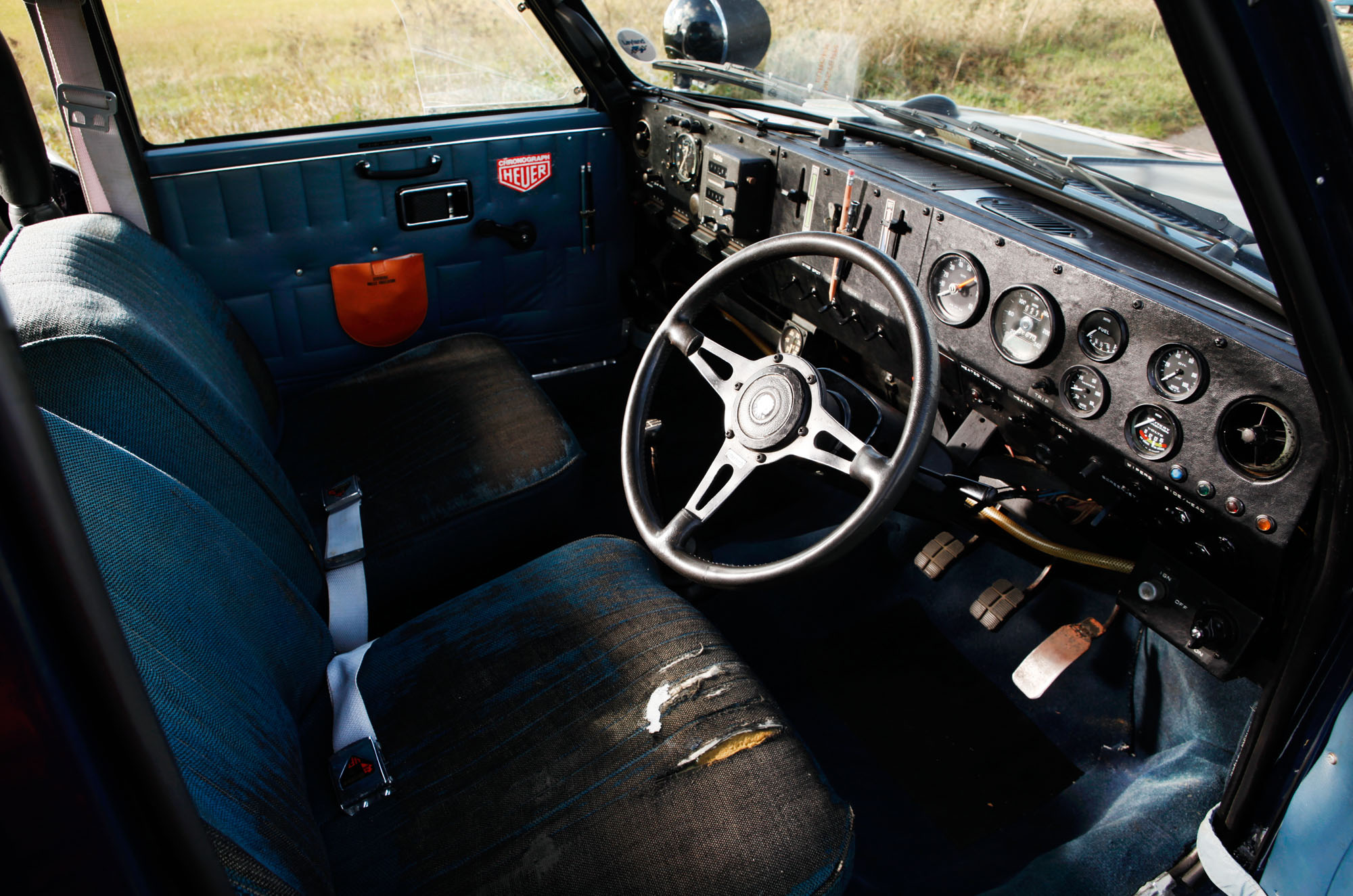
The Austin Maxi’s cabin sports a rally-ready dashboard, complete with an aircraft altimeter
Unsurprisingly, therefore, most frequently aired photographs and film footage of the event seem to concentrate on the Escorts – particularly Jimmy Greaves’ car – and BLMC’s Triumph PIs, with an occasional shot of a Citroën DS21 and Bill Bengry’s magnificently eccentric Rolls-Royce Silver Shadow.
Yet those works teams were in the minority.
Of the 96 entrants, who Sir Alf Ramsey flagged off at the start, most had no factory assistance and comparatively little financial backing.
One such squad, with a crew of three female drivers – Patricia ‘Tish’ Ozanne, Bronwyn Burrell and Katrina ‘Tina’ Kerridge – was the Marshall Austin Maxi, a 1500 affectionately dubbed ‘Puff the Magic Dragon’ and bearing the sponsorship of BLMC’s Cambridgeshire dealership.
The Maxi is the forgotten contender of the 1970 World Cup Rally, despite three other works cars forming part of BLMC’s Comps team.
One works Austin Maxi was driven by Prince Michael of Kent, Gavin Thompson and Nigel Clarkson, another by Rosemary Smith, Jean Denton and Ginette Deroland, and the last by Autocar’s Michael Scarlett with Red Arrows pilots Terry Kingsley and Peter Evans.
Prince Michael’s Maxi retired early, but Smith and co won the Ladies’ Prize (in 10th overall), while the Scarlett/Kingsley/Evans car topped the 1300-1600cc class (and came 22nd).
Use hindsight and to current eyes, yes, the Austin would appear to be an odd choice of rally car.
Aside from a devoted band of apostles, Alec Issigonis’ final production design is seen as something of a blot on the copybook – a four-wheeled blunder – spelt with a capital ‘BL’.
Essentially, the Philistine argument goes thus: the Austin Maxi epitomised everything that was wrong with BMC/BMH and BLMC.
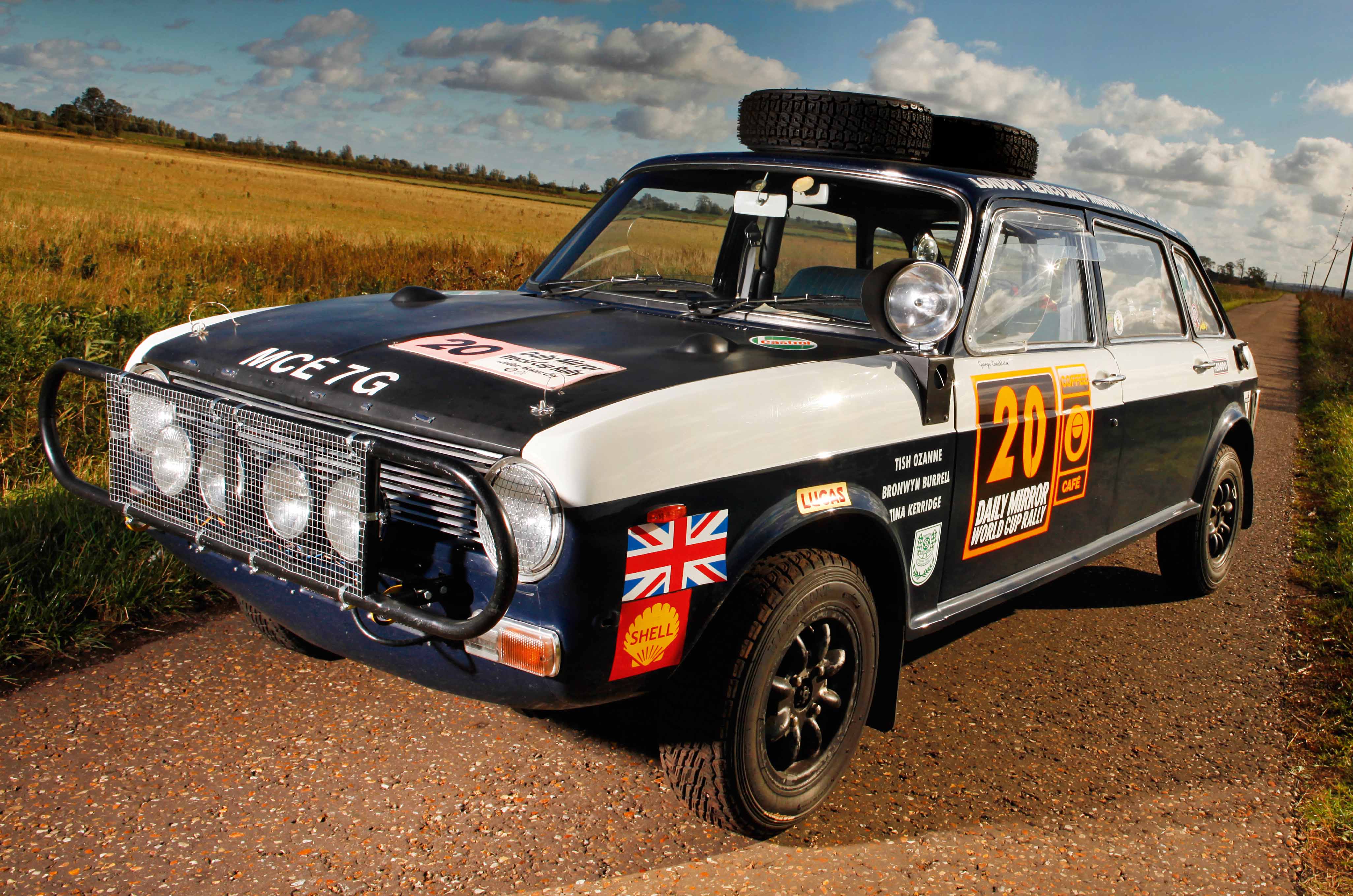
Heading into the rough stuff aboard a World Cup Rally privateer Austin Maxi
If BMC had managed successfully to replace its A60 range, instead of producing the far larger, more radical and unpopular 1800, the Maxi’s services wouldn’t have been needed to plug the resulting gap between it and the popular 1100/1300.
Factor in other puzzling decisions: BMH was attempting to launch a new model with a new gearbox and a new overhead-cam engine when funds were running dry, which invited teething problems.
Plus the new model had been ‘styled’ in the Issigonis vein – at the behest of chairman George Harriman – around the 1964 1800’s doors.
So not only were the Maxi’s looks hampered, but the rehoused doors meant its vast wheelbase wasn’t far off the 1800’s – which almost takes us back to where we started.
Yet none of this dented the marketing department’s optimistic sales predictions for the Austin Maxi of 6000 cars per week, which resulted in immense capital outlay to construct a factory at Cofton Hackett where the new E-series engine would be assembled.
When BLMC prematurely launched the Maxi in 1969, it must have wondered what it had done wrong to deserve such an ungrateful first-born.
It was neither hip nor groovy, but underdeveloped and underpowered, with an infamously unhelpful cable-operated gearchange that felt like attempting to separate a drunken brawl with a 30ft-long chopstick.
Unsurprisingly, the optimistic sales figures were never realised and plans for a Maxi saloon were binned in the face of an underwhelming reception from press and public alike.
Against such a disappointing backdrop for a potentially epoch-making model, the desire for favourable press via motorsport made sense; as it did from the Competition Department’s viewpoint, because there was a shortage of viable competition machinery despite BLMC’s large catalogue.
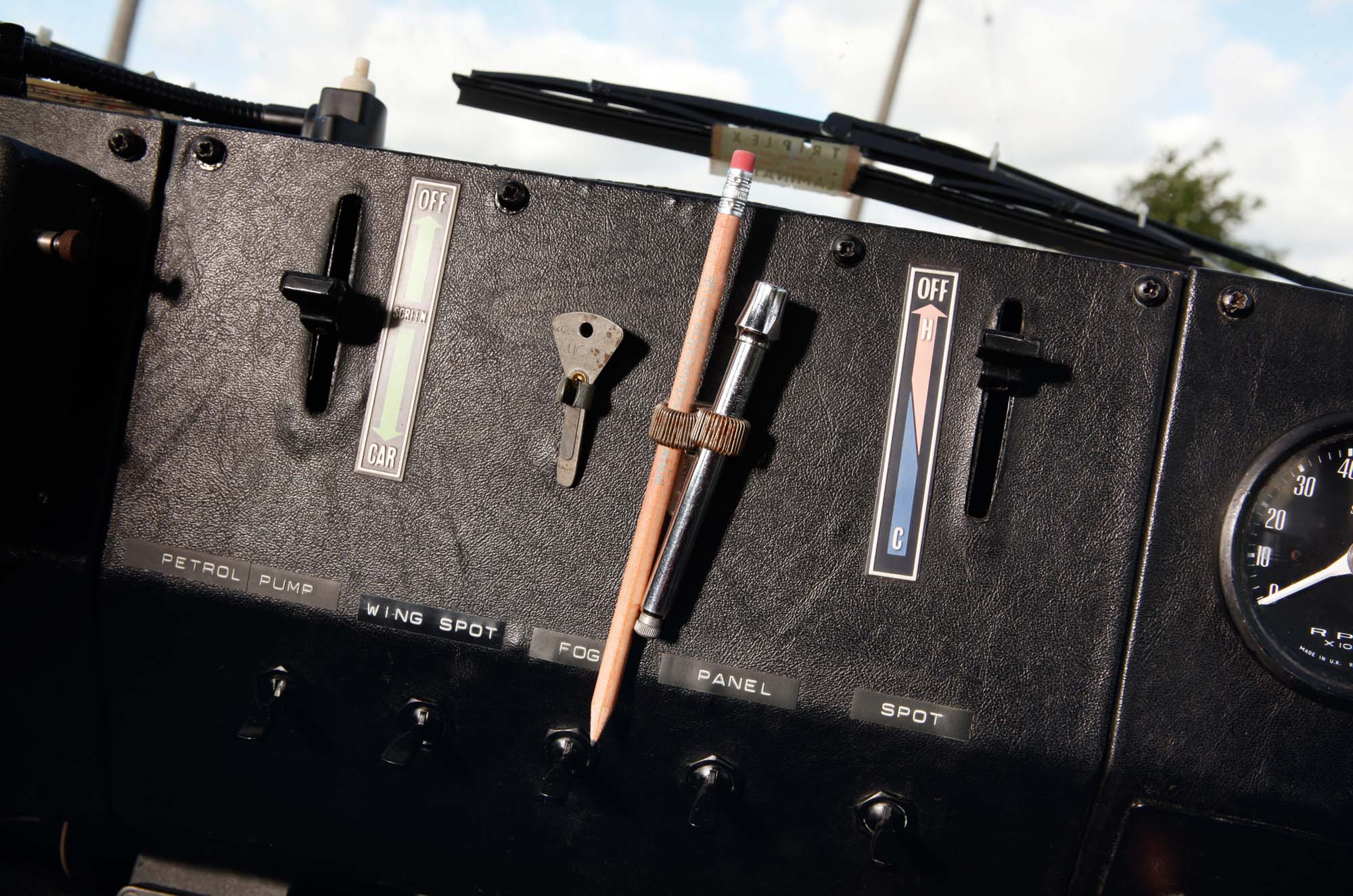
This Austin Maxi rally car’s dashboard has clips for a pencil and tyre gauge
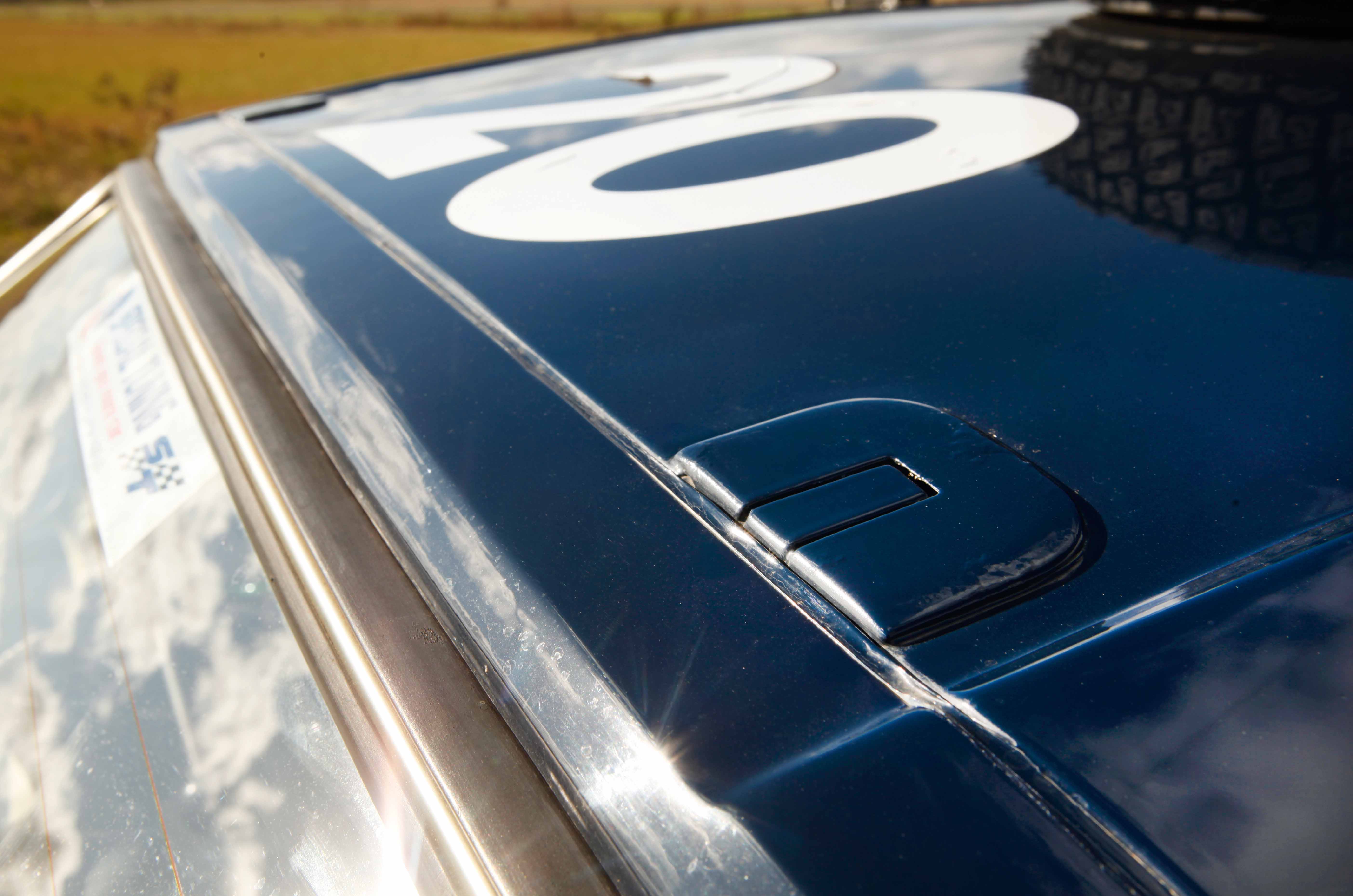
MCE 7G was one of the first 500 Austin Maxis built, plucked from the showroom to be transformed into World Cup Rally entrant number 20.
Championed by the determination and experience of lead driver Ozanne – allied to Marshall’s open-mindedness and enthusiastic BLMC backing – the car was prepared by Peter Baldwin and his apprentice Ray Brand at Marshall’s workshop, with out-of-hours help from painter John Watts.
As Peter recalls: “Ray was a good lad with a soft spot for go-faster cars. He was keen to build the Maxi under my remit.
“I was going back and forth to Abingdon, where they were building the three works cars. Really, it was a case of whatever they were putting on their cars, we were going to put on ours.
“Comps was taking the Maxis out, shaking them down and doing testing. They’d come back and say what was breaking, what would need uprating and what we’d have to fit. I was following suit from there.
“They were very open with information because they wanted the Maxi to do well.”
The differences between this Austin Maxi in its battle dress and a standard car are legion and go far beyond losing bumpers and gaining natty magnesium alloys. The bodyshell was reinforced and lightened.
The hatch and its rear vents have been welded up above the window line and, courtesy of Mini hinges, the boot is a conventional notchback and filled by a flexible 29-gallon fuel tank.
The side windows are Perspex, while the door skins and bonnet are glassfibre, and the drivetrain and rear suspension are protected by undershields.
Closer inspection of the anti-glare bonnet also betrays changes to the heavy-duty Hydrolastic suspension: those raised ‘nipples’ provide clearance for the Koni dampers’ top mounts.
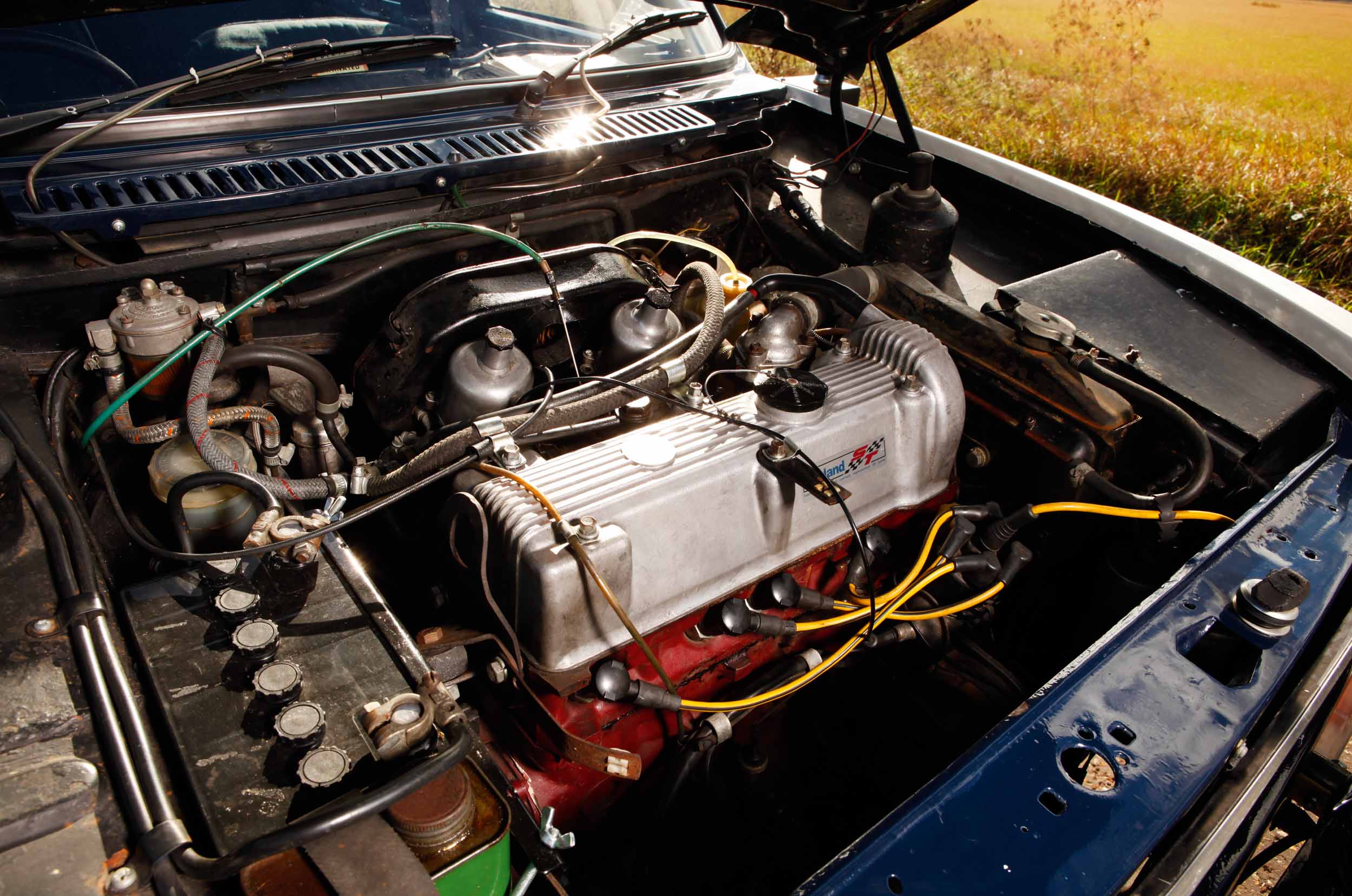
Twin SU carburettors feed the Austin Maxi 1500’s E-series engine
Lift the bonnet and there now resides a twin-carburettor 1748cc E-series – complete with rod-operated ’box – that dates from ’72; fitted at the behest of Ozanne prior to the Sherry Rally because she wanted the improved gearchange.
Behind the rear seats there is a Hydrolastic pump to adjust the suspension’s ride height.
Both the event’s regulations and its sheer scale – underlined by the need to fit the car with a carburettor altitude compensator and manually adjustable ignition – conspired to make the spec of this E-series nothing terribly thigh-trembling.
Originally, the 95bhp 1485cc engine was tuned according to established know-how from Basil Wales’ Special Tuning department in Abingdon.
It had a standard-fit cam in a gas-flowed 9.7:1 head that was fuelled by a pair of 1½in SU carbs.
These HS4s were fitted to an adapted Janspeed MGB manifold because, as any Leylomanic will attest, only the later 1750 came with factory-fitted twin SUs.
Bolt on an oil cooler and an auxiliary water radiator, and that was pretty much it.
The first leg of the event was the European stage, which, although described as ‘London to Lisbon’, followed a tortuous route.
After the ferry docked in France, the rally went through Germany to Vienna.
It then nipped behind the Iron Curtain, taking in Budapest, Belgrade and Sofia, before heading back to Trieste, up through Italy, past Toulouse and Pau in France, then across Spain and into Portugal.
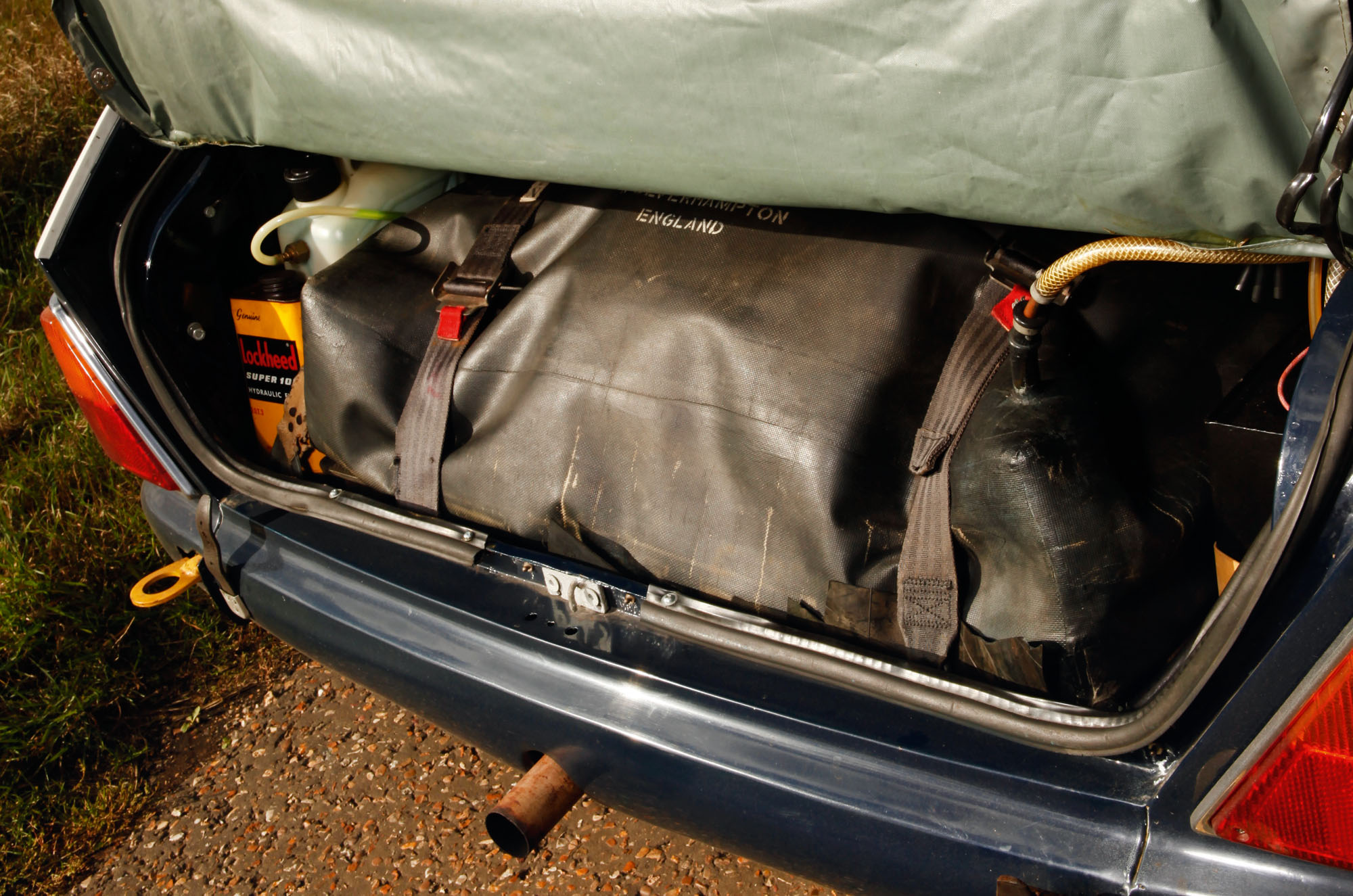
The Austin Maxi’s boot is filled with a 29-gallon fuel bag
Only the first 70 cars would qualify for the South American stages, and the Marshall Austin Maxi came in a superb 35th out of 51 – the rest having retired. That helped to place the four-car team of Maxis in fifth position overall.
As former crew member Tina recalls: “The drive from Wembley to Yugoslavia gave us no problems. Our service crew – Peter, Ray, and Tim Reynolds – was following in their own Austin Maxi, which was laden with all of the spares. They proved invaluable.
“Yugoslavia’s roads were demanding and this Prime [as each stage was known on the event] gave us two punctures.
“We were lucky that a driveshaft went just over the finish. We got to the service point to have a new one fitted.”
Tim adds: “The Yugoslavian Prime was a rough ride, but the training they had done really helped – even changing a wheel in less than 90 seconds. The girls drove extremely well and coped with the rough terrain.
“The Maxi was strong and well prepared, and it left us with little to do except to keep it in our sights. We were doing 100mph on the autostrada – with three people plus luggage and spares.”
Tina continues: “Arriving at parc fermé in Lisbon, the car needed some work before being loaded on the boat for Rio.
“This we were able to do with instructions from our crew, because they weren’t allowed to physically help.”
The team then enjoyed a well-earned break as the cars steamed to Brazil. “We flew to Rio with unusual hand luggage,” Tina says, “driveshafts!”
Unfortunately, the privateer team couldn’t afford a support crew for the South American stage.
The Austin Maxi looks just how it did in 1970, having been exactingly refurbished by owner Robin Shackleton
Starting from Rio, the route bound for Mexico City included Montevideo in Uruguay, then Argentina (Buenos Aires and Bariloche), Santiago, La Paz in Bolivia, Lima, Colombia (Cali), Panama City and San José in Costa Rica.
“On the Uruguayan Prime, we suffered two punctures in one kilometre, as well as cracking the exhaust manifold,” recalls Tina.
Due to the time taken for repairs, they were late starting the Pampas Prime – their final stage.
Tina says: “The roads were really dusty and cars leaving on time were fortunate with the weather.
“But by the time we left it was late and pouring with rain. We struggled to keep on the muddy roads and eventually we slid off into a quagmire and were stuck fast.
“It was pitch dark and still raining hard; we tried to push the car out, but it was impossible. Our winch proved useless with nothing to attach it to.”
Sadly that was the end of the Marshall Maxi’s bid for the Ladies’ Prize.
The crew waited hours until the control sweeper vehicle pulled the car out, but by then it was too late. After completing 12,000 miles of the world’s longest rally, it was all over.
Indeed, only 23 cars would make the finish at the stadium on 27 May 1970.
Ozanne’s entry on the 1972 Sherry Rally followed the Austin’s repatriation from South America.
After that, MCE 7G passed through various hands and was used as daily transport before being purchased by Italian Mini collector Giovanni Percossi.
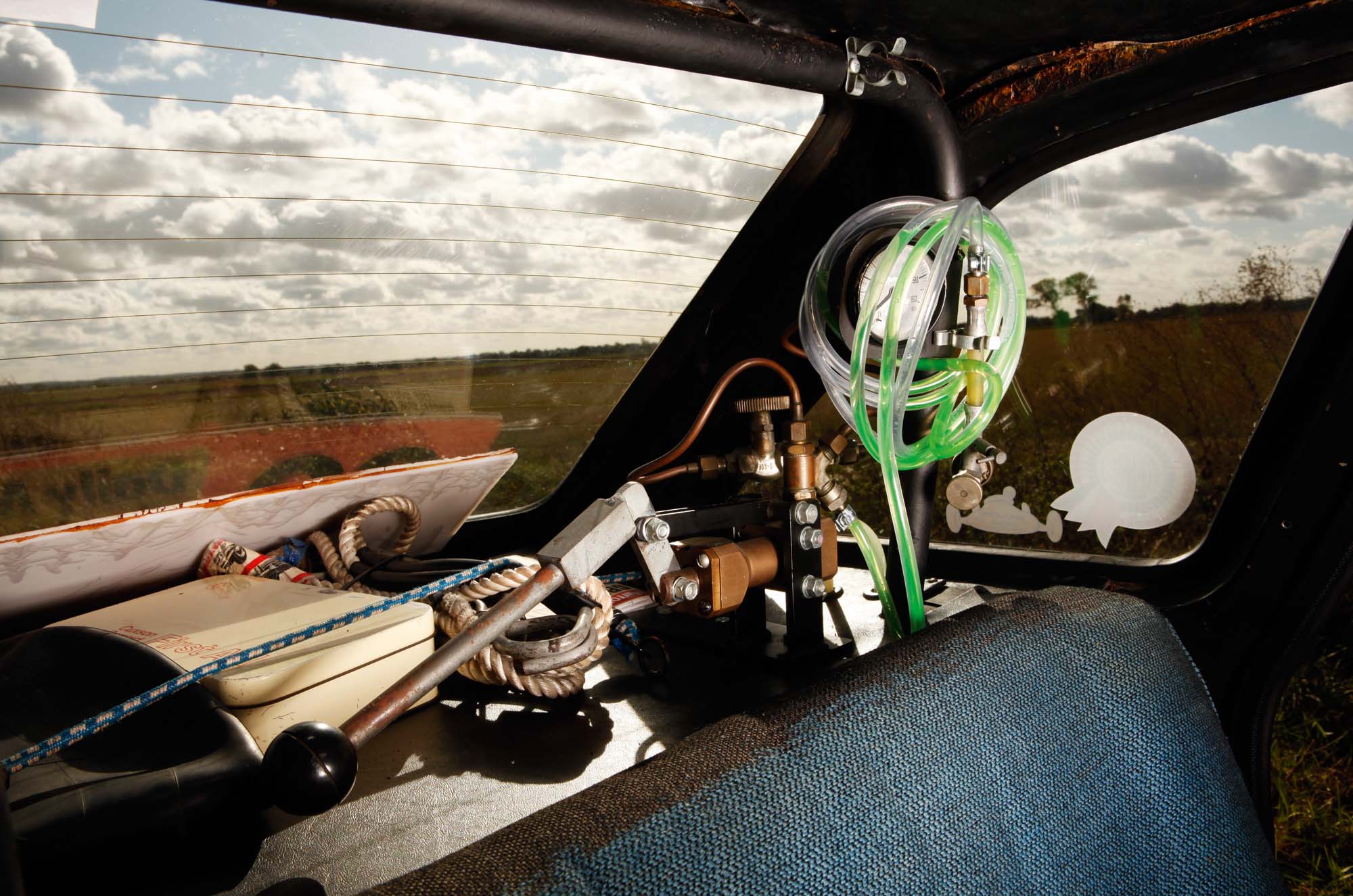
This Austin Maxi has a hand pump to adjust the Hydrolastic suspension
He then sold the Austin to Robin Shackleton, who has returned the car to rude health after years of inactivity.
Sitting in the unmistakable used, scuffed and frayed ambience of a seasoned veteran’s cabin, the myriad competition details shove and parry for attention.
The worn seats, the works dash, the bolt-in rollcage, the roof stowage nets, the instruments – which include a 40,000ft aircraft altimeter – and hoses that once fed oxygen into the cabin from the regulator on the parcel shelf via long-gone tanks for tackling the Andes.
A triangulated steering-column lowering bracket does its best to redress the infamously odd front-drive BMC driving position, but the offset pedals soon inflict a bout of ‘Issigonis shin’. I must be out of practice.
The rod gearchange may be better than the troublesome original, but it still demands a left palm with all the diplomacy and negotiation skills of Henry Kissinger.
It engages not with a crisp mechanical feel, but a graunch.
Torque delivery and response from the long-stroke E-series are good, and it emits a lovely warm, sporty timbre on cam between 3000 and 3500rpm.
It is more refined, smoother and devoid of the clackety racket generated by the pushrod A- and B-series in older BMC cars.
Compared with its Issigonis brethren, the Maxi feels more like a 1300 than the larger 1800.
A far quicker and more feelsome steering rack than the 1800’s also contributes towards the Maxi’s lighter, more alert feeling.
The other factor is its smaller size, so it doesn’t feel as if you’re driving a penthouse on wheels.
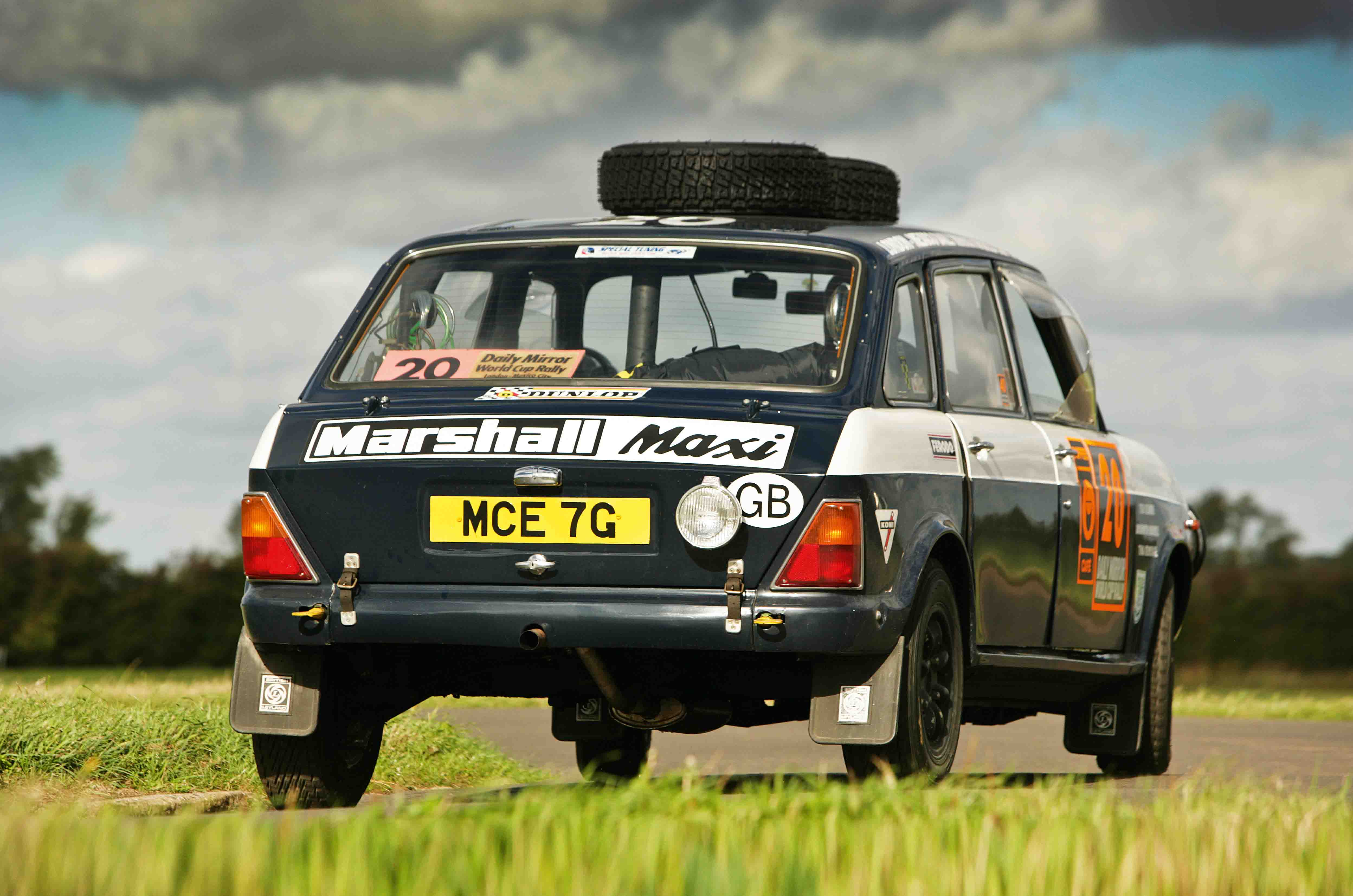
This rally-ready Austin Maxi feels sharper than a standard 1500
All of which leads to a chuckable car with lots of grip and little roll due to the Hydrolastic suspension.
The addition of dampers to the system means that endlessly corrugated roads are ridden well and without the standard set-up’s characteristic rebound float.
The brakes are seldom bothered because a Maxi will always clearly signal its limits with a controllable sideways scurry – part waddle, part shuffle.
Not in this car, though, given its chunky rubber wheelware and provenance.
Such considerations are not enough to stop you from growing a broad grin, because this Maxi is a hoot.
Tangible suck-squish-burn-blow proof that, with a bit of sorcery from Comps and Special Tuning, the Mini’s plainer, bigger, family-minded sibling is capable of getting in the party mood and enjoying a boogie.
The Austin Maxi, of course, never did realise BMC’s hopes, although it did accrue an appreciative customer base.
Around 472,098 were sold, so clearly its motorsport career did – to a degree – assist its evolution and image.
Today, though, the Maxi is seldom remembered without derision.
It’s almost as if they regard Austin’s notion of populating Britain’s roads with front-wheel-drive, five-speed, five-door hatchbacks as so incredulous that it deserves nothing more than unbridled contempt.
Images: Tony Baker
This was first in our May 2012 magazine; all information was correct at the date of original publication
Tina Kerridge remembers the 1970 World Cup Rally
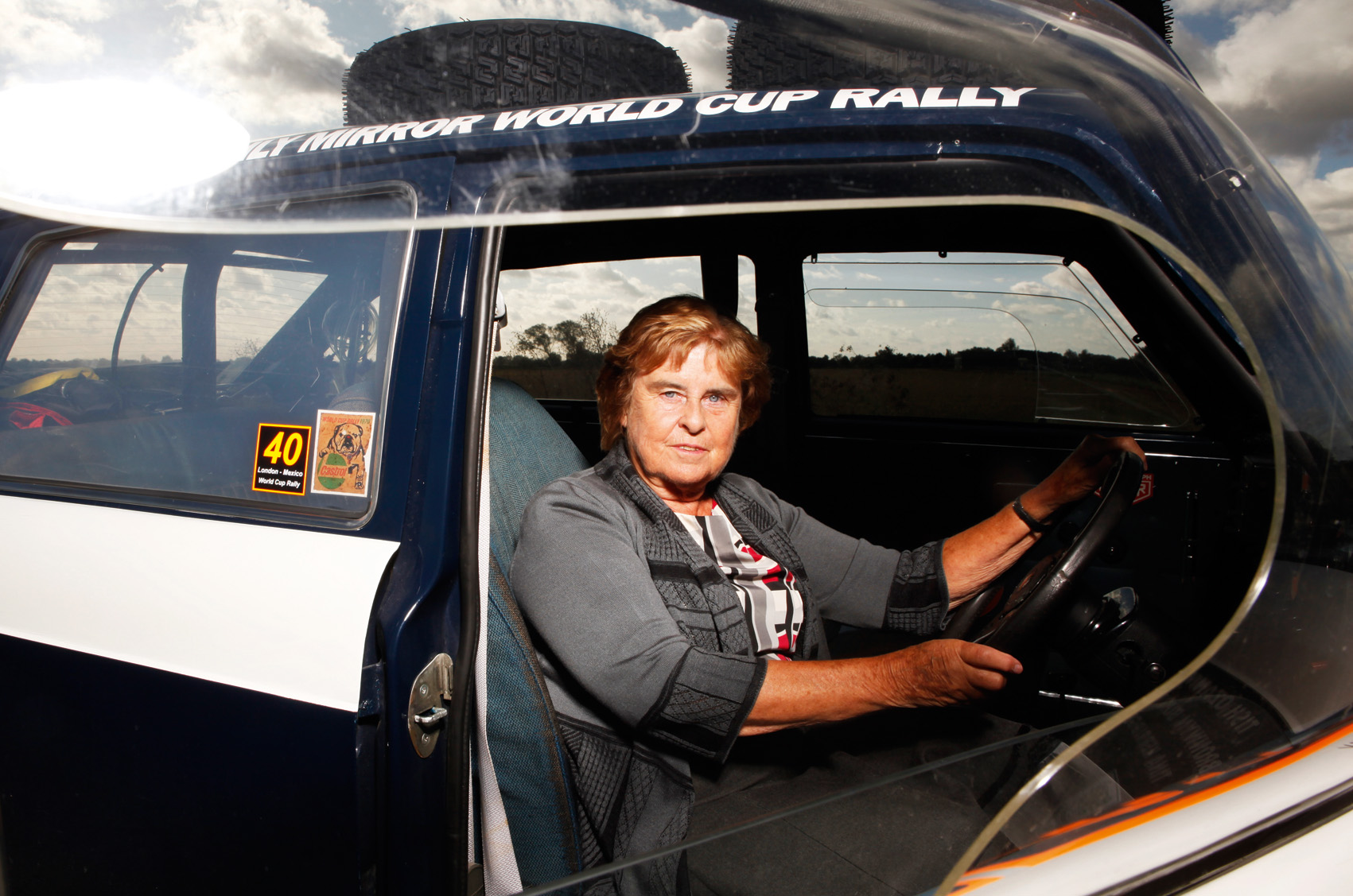
Katrina Kerridge, reunited with the 1970 World Cup Rally Austin Maxi
“My first memory of the World Cup Rally was driving up the start ramp at Wembley and the thousands of cheering supporters.
“I could just make out the frantic waving of white handkerchiefs from my two young children, along with their grandparents and an ensemble of Cambridge Car Club members.
“It was exciting, frightening and yet sad, knowing I was going to be away from my family for six long weeks.”
Tish Ozanne was the most experienced rally driver on the team, with Tina having tackled production car trials, club rallies, plus local and national events: “Tish drove the stages – but if it was 300 miles then she couldn’t drive all of them.
“It was four hours on, four hours off. One person slept, one navigated and one drove.
“We were elated on arrival at Lisbon when we discovered we were lying 35th – a great achievement for a private entry.
“Pampas Prime proved to be our last stage. Our delay meant that any hope of finishing the rally had gone. We all sat in the car and cried, there was nothing more that we could do.
“We went out with around 4000 miles to go to the finish, we had done 12,000 miles.
“When you think; we’d been through lots of countries – and we didn’t know much about them at all.
“The first part of South America was quite lonely. Especially that final stage: because we went last we didn’t see anybody.
“Even in Europe, no one was really going to Hungary or Bulgaria – you weren’t allowed.”
Enjoy more of the world’s best classic car content every month when you subscribe to C&SC – get our latest deals here
READ MORE
They’re coming home: the World Cup Rally’s 50th anniversary
Rally Yorkshire in a classic Chrysler: co-driving crash course