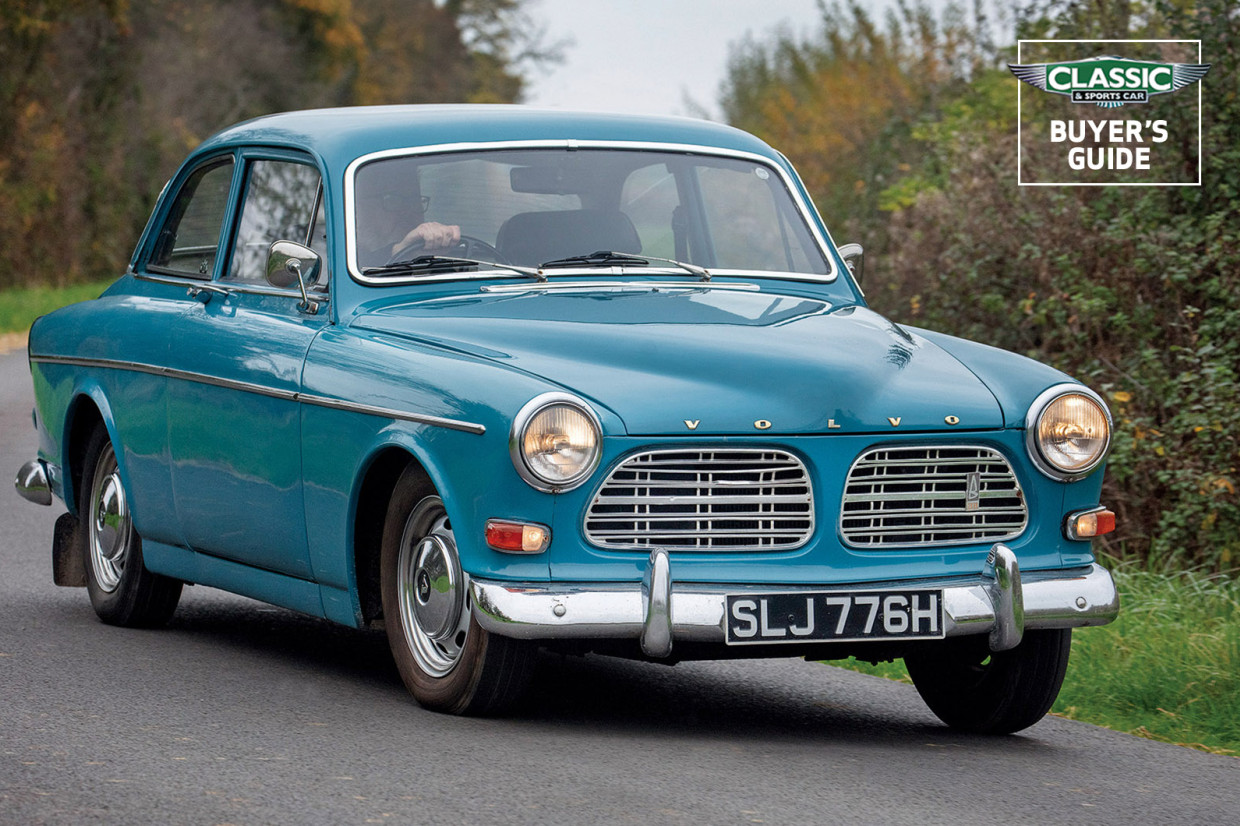
Why you’d want a Volvo Amazon
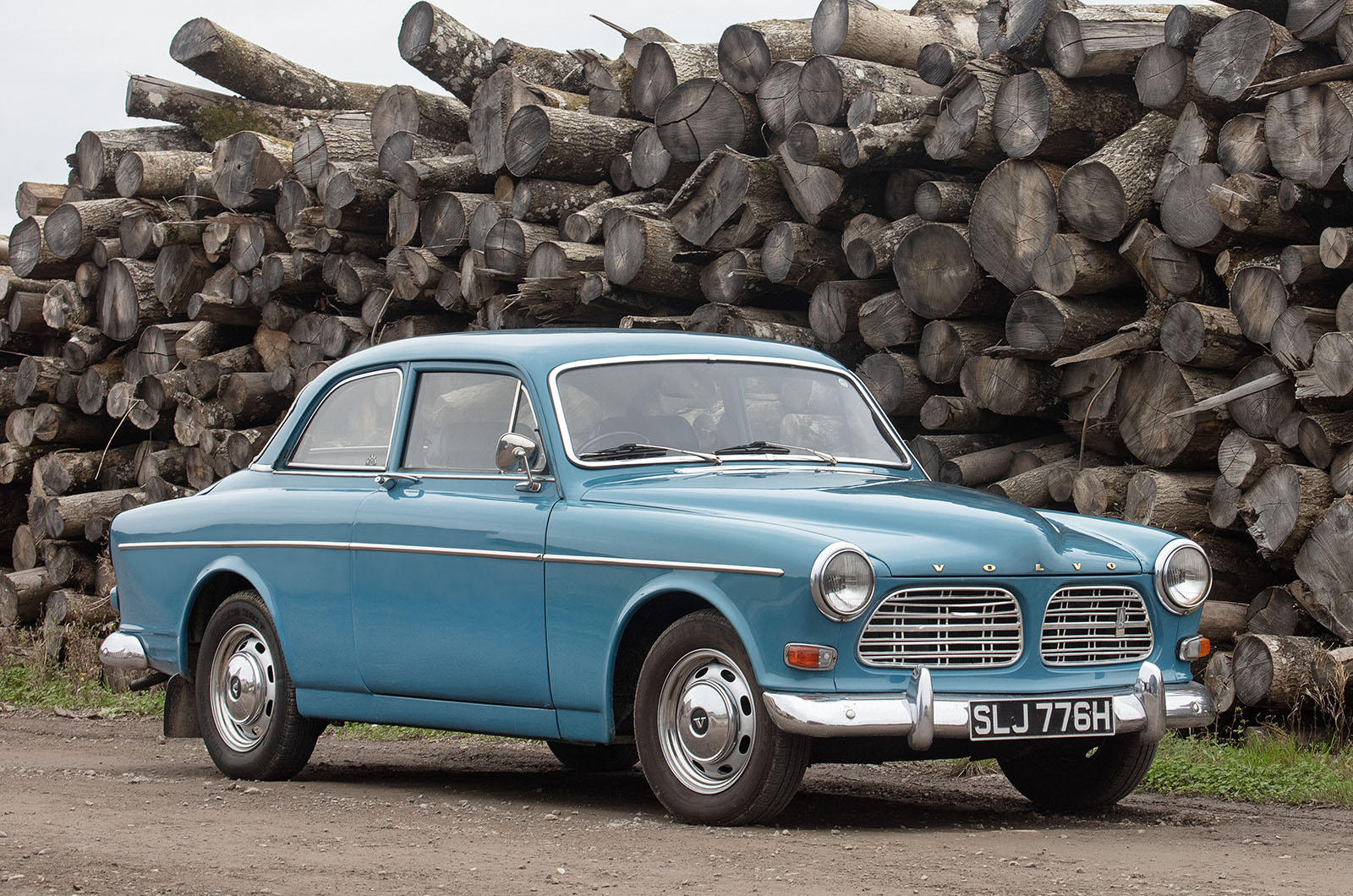
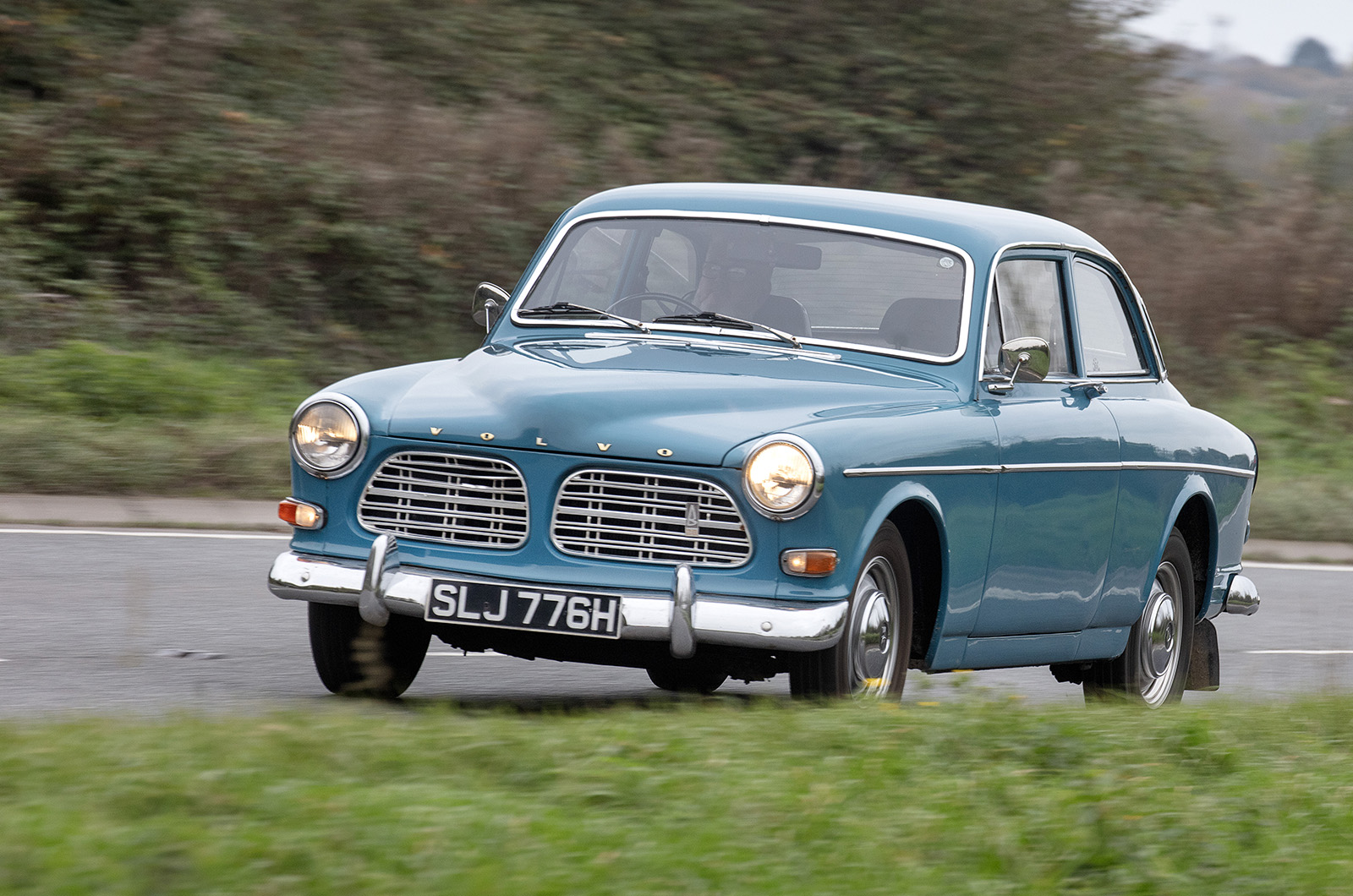
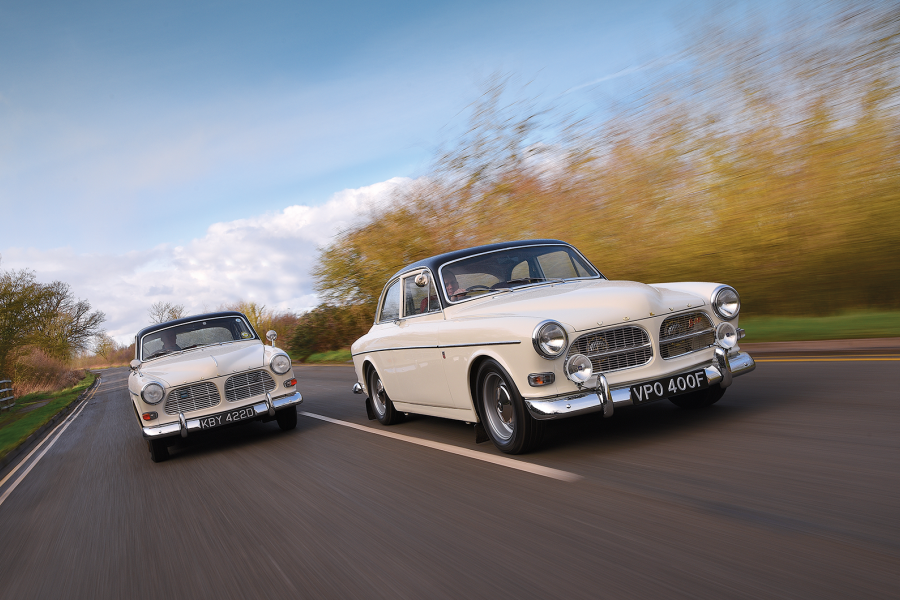
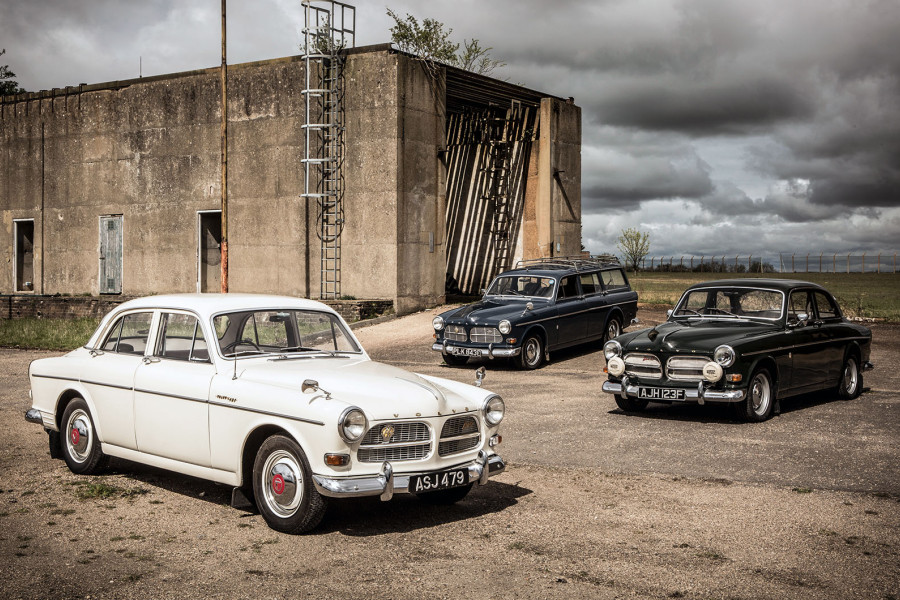
The car that established Volvo’s popularity – and its reputation for safety and durability – around the world, the Amazon was known as the 120 series in most markets due to a prior claim on the name.
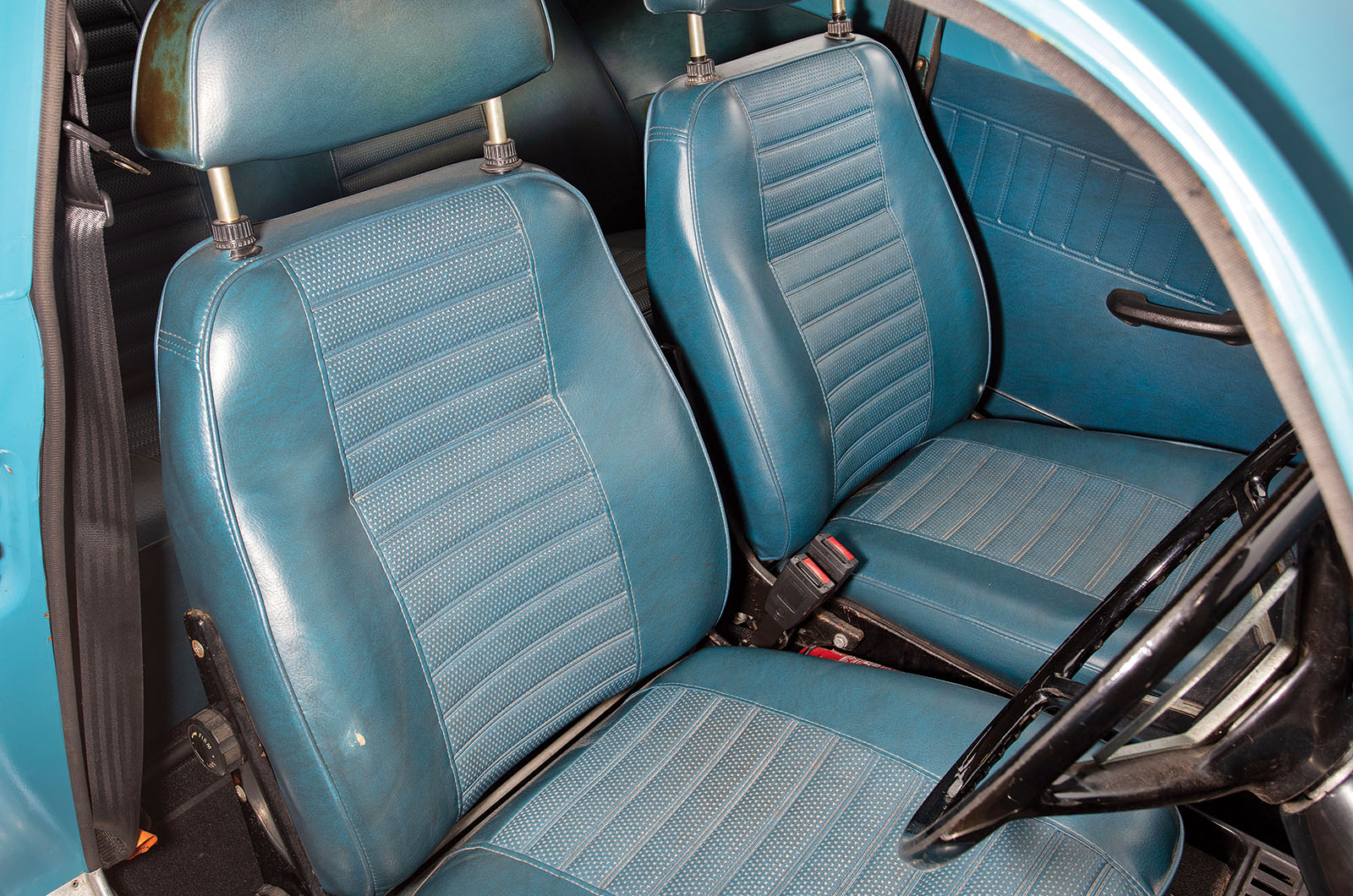
Its appeal at launch included a modern look, comfortable individual front seats and a strong but surprisingly light body (38kg less than a P1800). This gave it lively performance for the engine size.
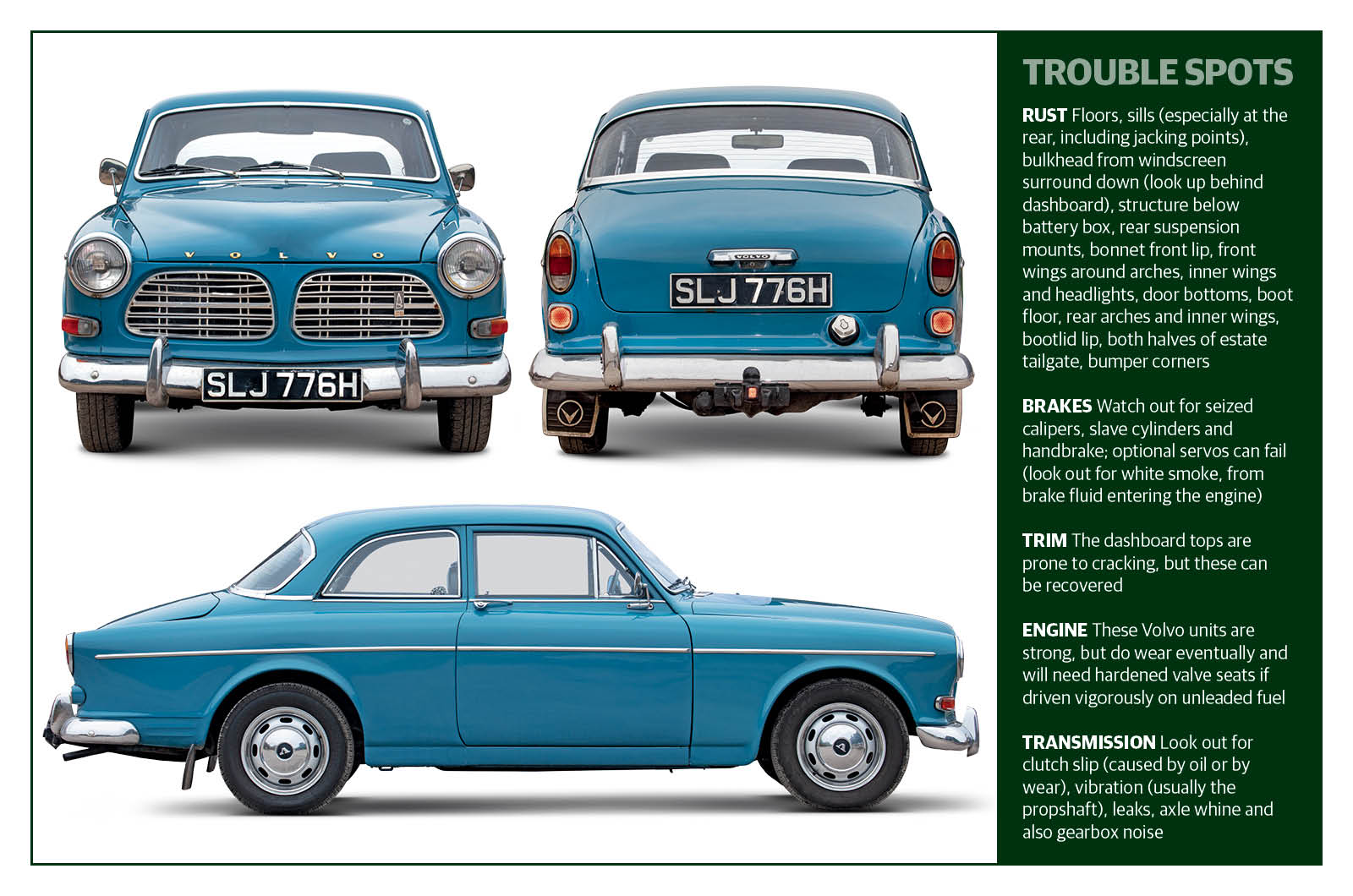
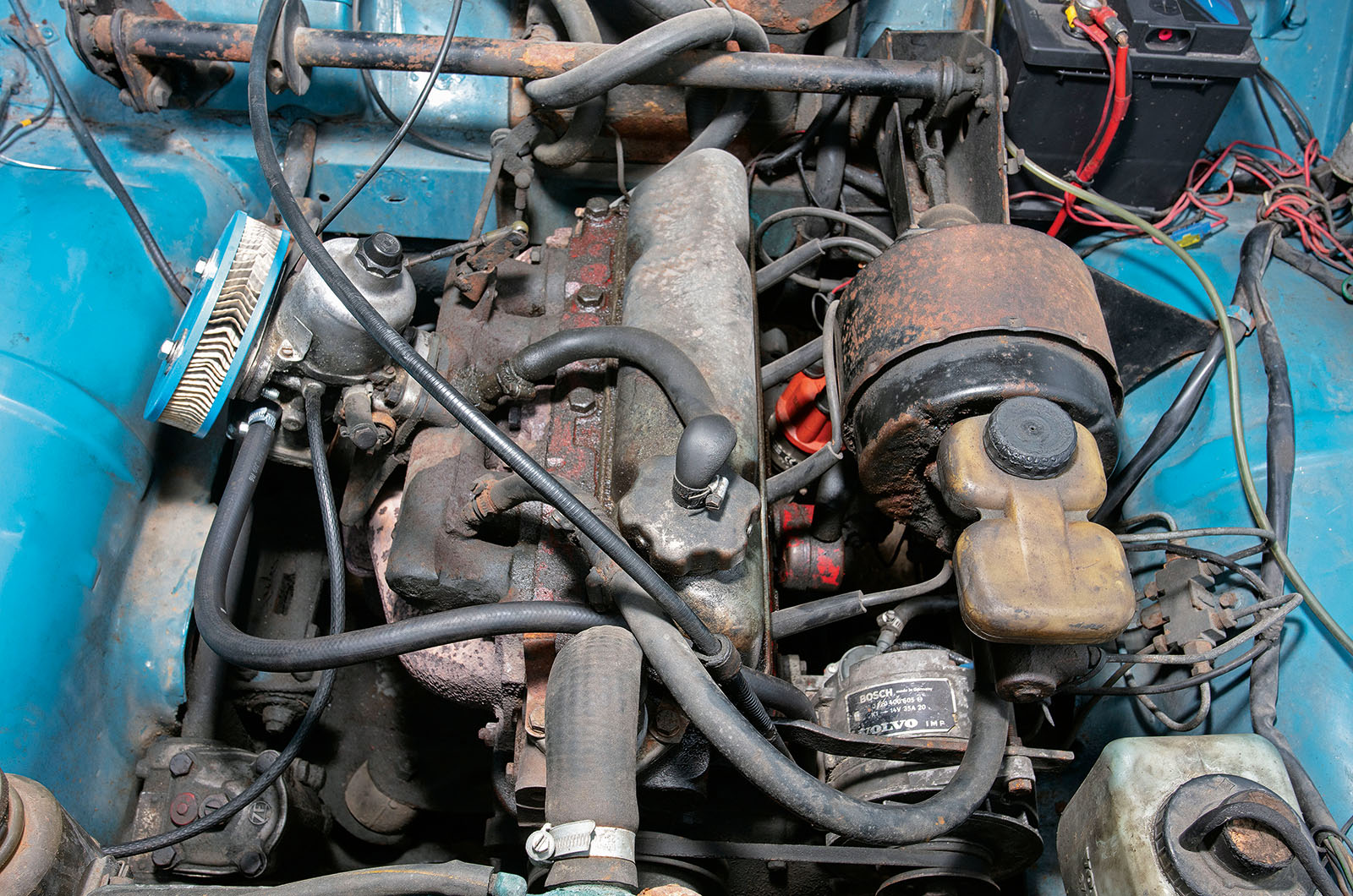
The unusual use of exposed air filters on twin-carb models gave a healthy growl when accelerating, loved by enthusiastic drivers but later criticised on road tests; the single-carb model had an enclosed filter so was much quieter. Twin-carb cars were quiet enough when cruising, even at 75-80mph.
From the start, the Amazon was claimed to exceed 100,000 miles without major overhaul.
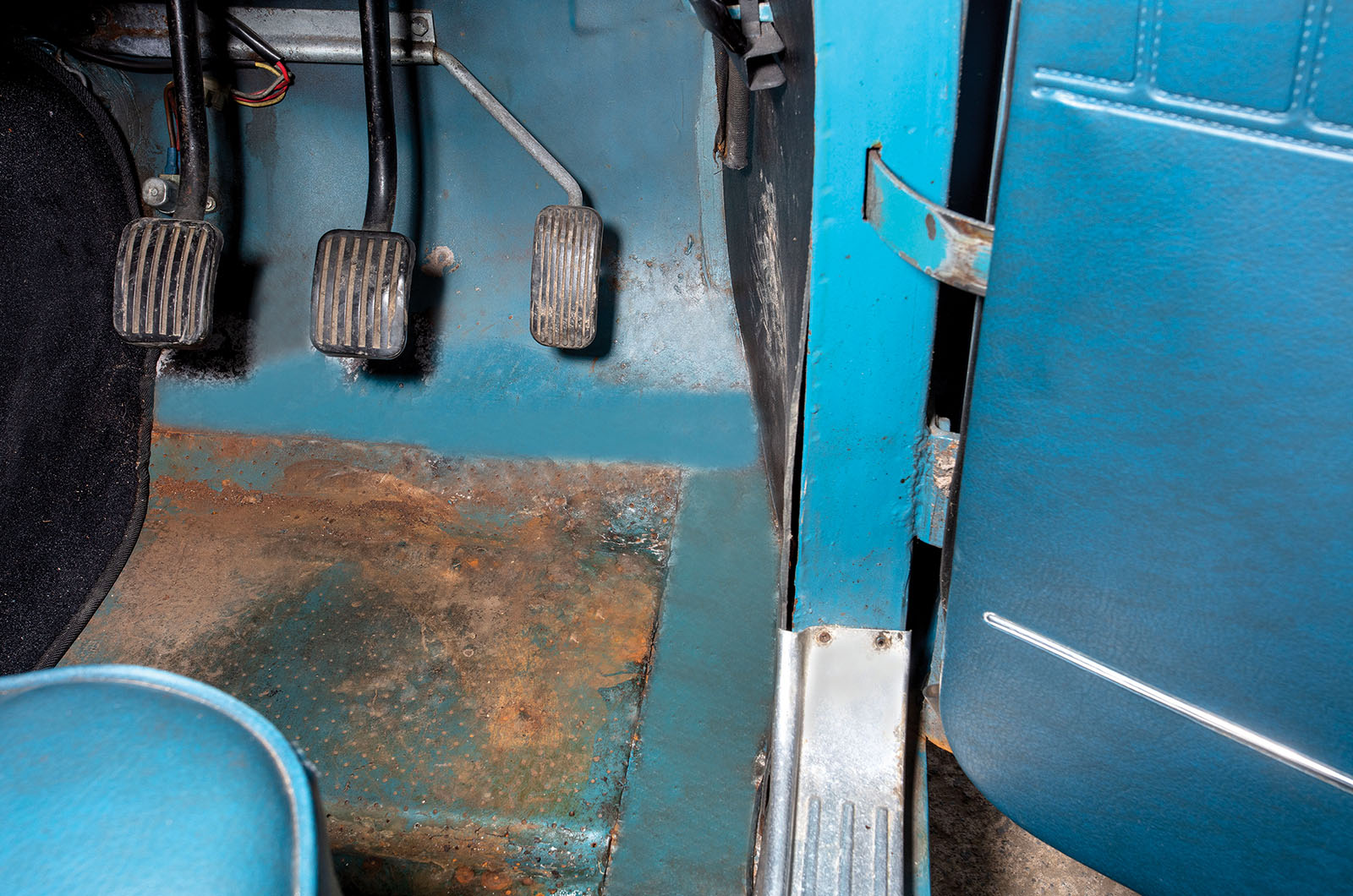
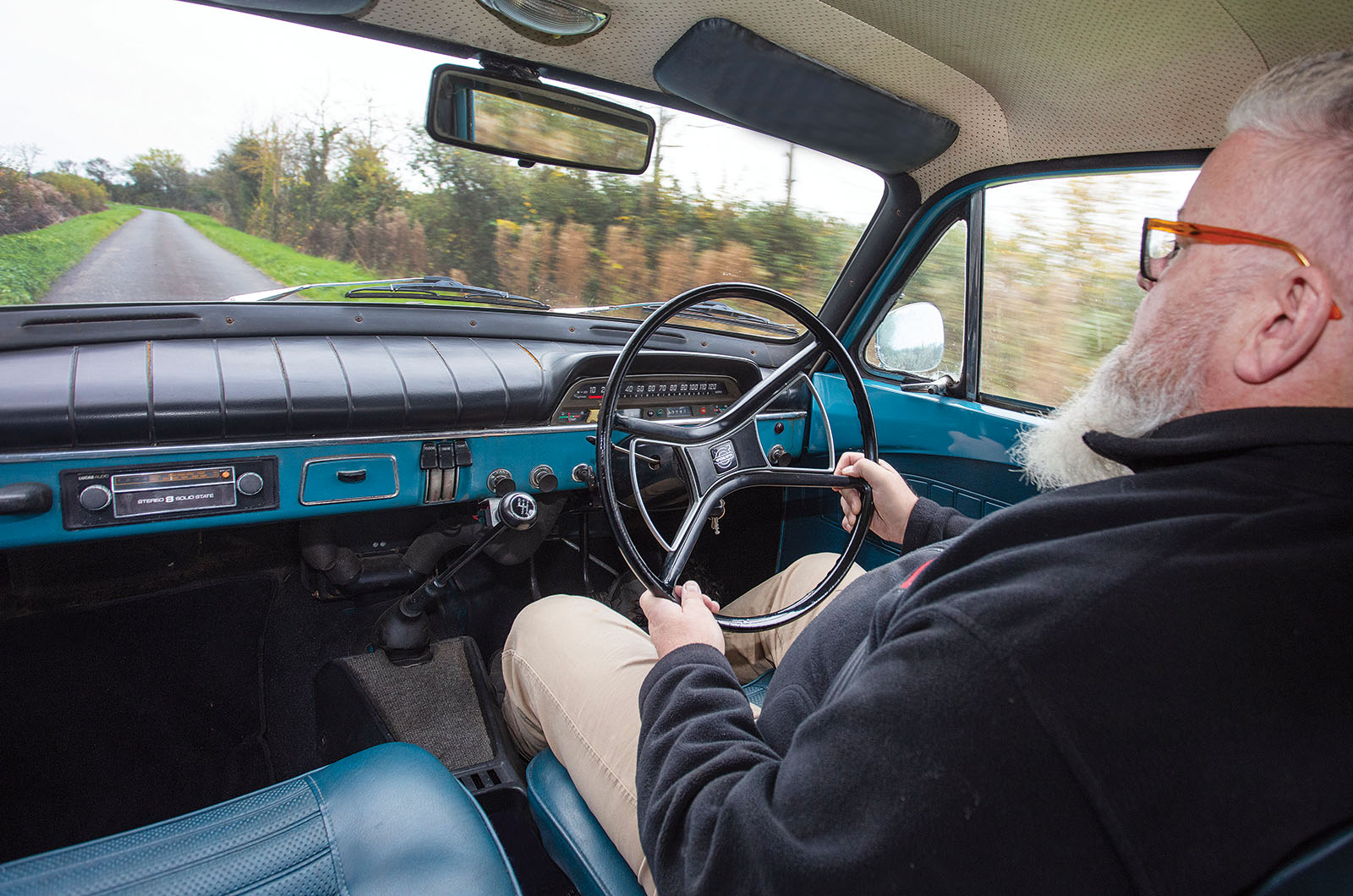
Whitewall crossply tyres were standard at first, and interiors featured no-nonsense PVC trim with rubber floormats – later models graduated to carpets.
Safety was always an important consideration, with a rollbar built into the roof pressings.
In 1959, the Amazon became the first car to be fitted with standard three-point front seatbelts.
In the mid-1960s it was surely one of the first ‘everyday’ cars to offer lumbar support in the front seats and a gas strut to raise the upper tailgate of the Combi estate.
The wagon was a chunky 300kg (or 30%) heavier than the saloon.
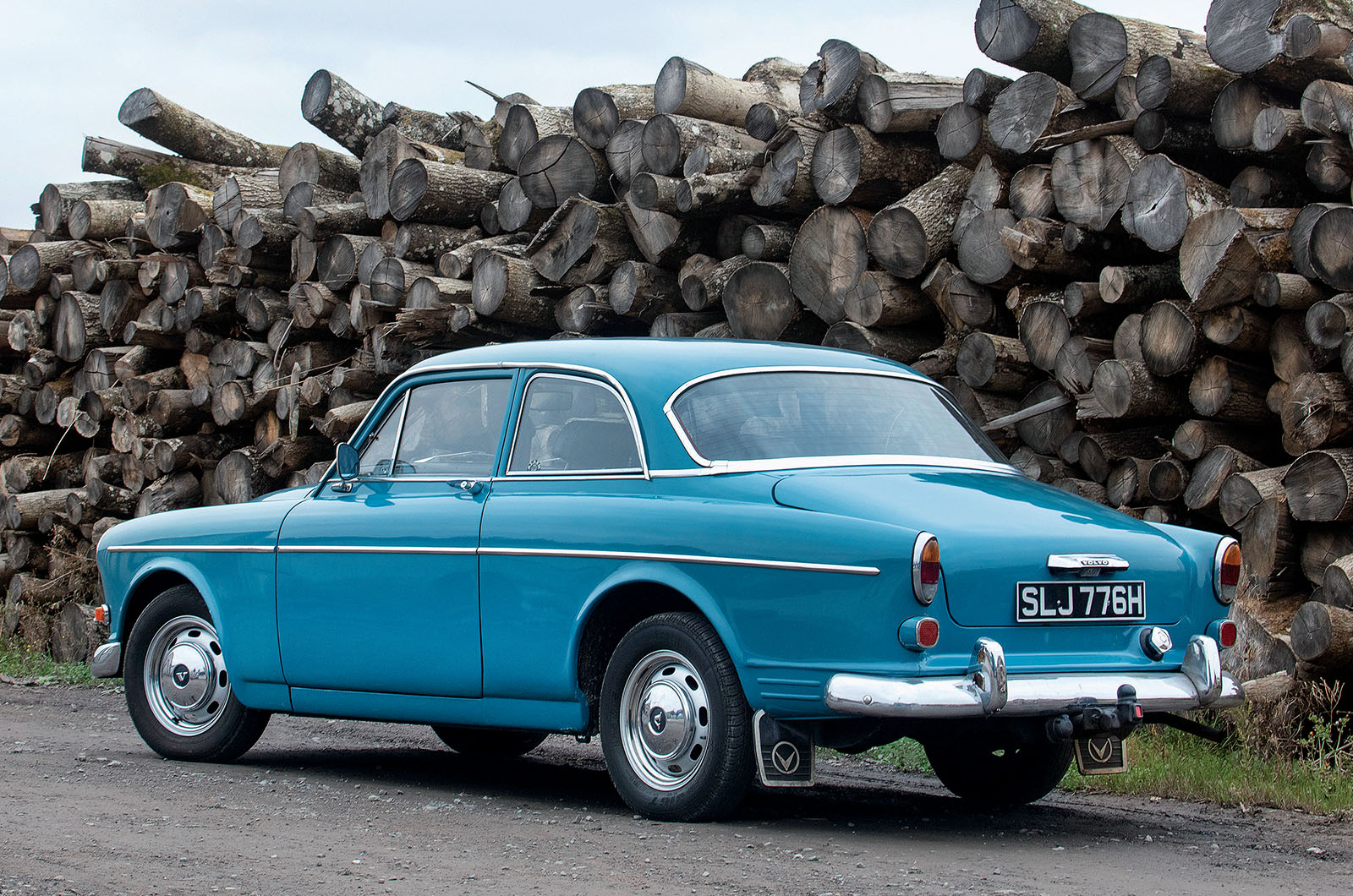
Nordic features of the Volvo Amazon included a superb heater and a radiator blind controlled from the dashboard.